Entrepreneurship
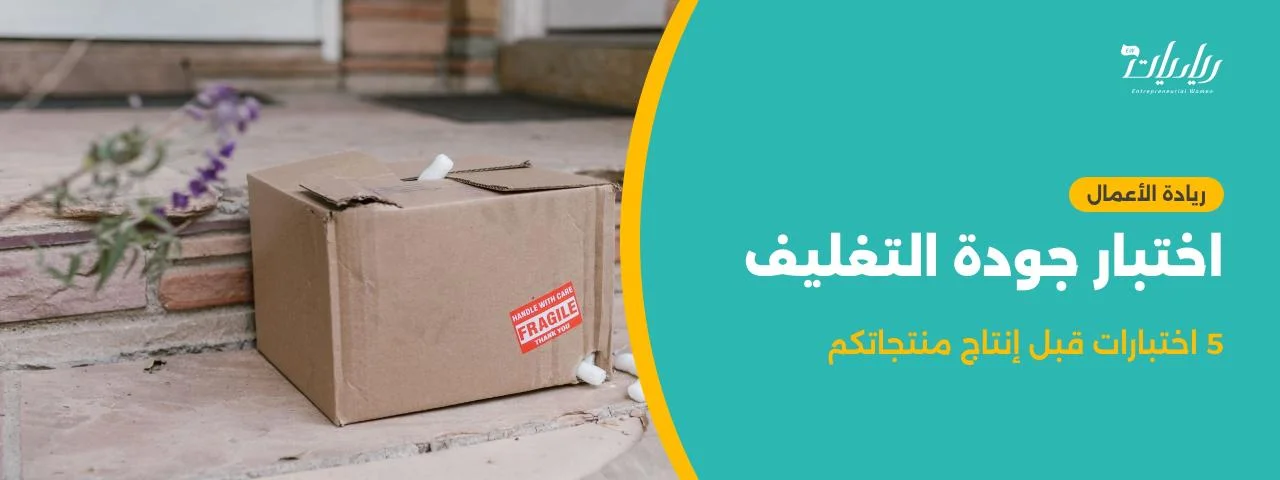

Testing packaging quality is a step many startup owners overlook, only to pay the price later. Packaging is not merely an attractive wrapper; it is part of the customer experience and protects the product during storage, transportation, and use.
The packaging may look excellent at first glance, but some issues only emerge after exposure to water, heat, shipping, or prolonged storage. When these problems surface after large-scale production, the losses become significantly greater.
In this guide, you will learn about 5 essential tests before approving packaging, how to implement them with simple steps, common mistakes to avoid, and how to document results to compare between suppliers.
Packaging quality testing is a series of experiments conducted on samples of packaging filled with the product to ensure its ability to protect it under real conditions. It includes resistance to water and heat, durability during long-term storage, ability to withstand shipping, and compatibility with the filling line. The goal is to identify defects before mass production.
Each of the five tests reveals a different type of problem, so one cannot substitute for another.
Ensure that your packaging and labels can withstand water and moisture. This test becomes increasingly important for products used in humid environments, such as personal care products and certain household items. Monitor whether the packaging becomes damaged, the label changes shape, or it peels off.
Sun and heat can affect the packaging appearance and the product quality inside. Place samples in different conditions and monitor any changes in color, shape, material, or label. This test is essential for products that are stored or transported in hot climates.
Some problems only appear over time. Fill the container with the product, place it under the expected storage conditions, and monitor it for a period appropriate to the nature of the product. This test reveals any deformation or unwanted reaction between the product and the packaging.
Testing packaging in ideal conditions is not enough. Simulate the product's actual journey: from packaging, to shipping box, to transport and storage, until the customer opens it. This simulation reveals problems such as leakage, breakage, label detachment, weak sealing, and product deformation.
Before purchasing large quantities of packaging, ensure that the manufacturer or packaging facility can handle them. Some packaging may require manual filling, sealing, or labeling, which increases production costs. Therefore, send a sample first and test the packaging and sealing on it. You can discuss this point early when Choosing a Skincare Products Manufacturer or any other factory.
In short, here's what each test reveals and how to implement it in a simplified way:
• Water and Moisture: The packaging damage or label detachment reveals itself; expose the sample to water and place it in a humid location.
• The Sun and Heat: Color, shape, or material changes reveal quality. Place samples in a sunny location and another hot location and compare them.
• Long-Term Storage: Packaging deformity or its reaction with the product reveals issues; store filled samples and monitor them periodically.
• Shipping Simulation: Detects leaks, breakage, and faulty sealing; send a test package through the same shipping company.
• Factory Compatibility: It reveals the need for manual work that increases costs; run a sample on the actual packaging line.
1. Request an adequate number of packaging samples from the supplier.
2. Fill the samples with the actual product, not with water or any substitute.
3. They divided the samples among the five tests and left a reference sample untested.
4. Document every sample before testing, and record the conditions and duration.
5. Monitor samples periodically and compare them to the reference sample.
6. Document the results and decide: approve the packaging, modify it, or change the supplier.
Hypothetical example: A natural soap project sent a trial package to itself through a shipping company before launch. It discovered that the paper label was damaged by moisture inside the package, so it replaced it with a water-resistant label before printing thousands of copies.
Document the conditions of each test, its duration, and your observations, along with before and after photos. This documentation makes it easier to compare suppliers and helps you when requesting packaging modifications. It also becomes a reference when developing new products later, so you don't start from scratch.
and this stage is similar to building Product PrototypeBoth test the idea on a small scale before investing a large budget.
• The Empty Package Test it without filling it with the product.
• The Single Sample Using a single sample for all tests.
• Ideal Conditions: A test that doesn't reflect reality.
• Neglecting Accessories Ignore the label and external packaging and focus only on the container.
• Lack of Documentation: Failure to record results, which leads to losing the comparison between suppliers.
The most dangerous of these mistakes is rushing; allocate clear time for testing in your launch schedule, and do not cut it short to meet a season or occasion.
Testing reveals problems before the product reaches the customer and reduces damage during storage and shipping. A package that arrives intact improves Customer Journey in E-Commerce And reduces replacement requests.
Good packaging reflects brand professionalism and influences customer perception. To learn about the criteria for selecting the right packaging, read the guide Skincare Product Packaging And applied its principles to any product.
When Should Packaging Quality Testing Be Conducted?
Before approving the packaging and before ordering large quantities of it or the product. Repeat testing when changing the supplier or formula.
Do Small Businesses Need These Tests?
Yes, and they can be implemented using simple methods with limited costs. A single damaged batch loss is often greater than the cost of testing.
Testing packaging quality is a small investment that protects your product and reputation. Test the filled package, simulate real-world conditions, and document the results before mass production. Remember that customers don't see the manufacturing process—they see the package that arrives at their door. If it arrives intact and well-presented, you begin your relationship with them on a foundation of trust. But if it arrives damaged, you risk losing them after the first order, no matter how good the product inside actually is.